House clearance in Waltham Forest
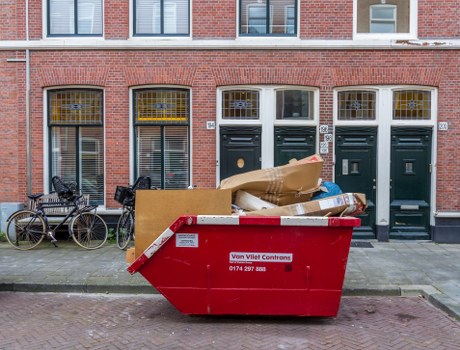
House clearance in Waltham Forest should feel organised, careful and straightforward, whether you are clearing a family home, preparing a property for sale, or making space after a tenancy change. We provide a practical house clearance service focused on removing unwanted contents in a planned way, with attention to sorting, loading and responsible disposal. The work can include individual rooms, full properties and mixed items that need separating before they leave the property.
Our service is built around the kind of household contents people most often need help with: general furniture, white goods, bric-a-brac, mixed rubbish, loft items and garage contents. We also handle clearances where some items are kept and others are removed, so the remaining space is left easier to use. If you need to clear a property efficiently, we can help you plan the job around the rooms, access and the amount of material involved.
For a clear starting point, you can take a look at our pricing and quotes page, then use the details from your property to request a quotation. A short description of the rooms involved is usually enough to begin, and if there are bulky items or access constraints, it helps to mention them early. The more specific the information, the easier it is to match the right clearance approach to the job.
Household clearance for homes and flats
House clearances are rarely just a matter of lifting and carrying. A good service needs to deal with mixed contents sensibly, separating reusable items, recyclable materials and waste that needs to be removed as part of the same visit. That is especially useful when a property includes a combination of furniture, soft furnishings, small appliances and general household clutter. We work with those practical details in mind, so the clearance is handled as one coordinated job rather than a series of unconnected removals.
We can support clearances for homes of different sizes, including flats, terraces, semis and larger family properties. Some customers need part-clearance support, such as one room or a few heavy items, while others need a fuller service for several rooms at once. In either case, the aim is the same: to leave the property tidier, safer to move around and ready for the next stage. If you are comparing options, it can help to separate what stays from what goes before requesting a quote.
Useful house clearance decisions usually come down to the volume of contents, the type of items and whether there are any access limits. Stairways, narrow halls and shared entrances can affect how a job is planned, and large furniture may need to be moved in stages. In many cases, a good brief will include the rooms involved, a rough idea of the contents and any items that need particular handling. That gives a better basis for planning than a simple list of belongings.
Items and rooms we can clear

Different rooms create different clearance needs, and the most efficient approach is to match the work to the space. A loft may involve bags, boxes, old decorations and stored household items; a garage may contain broken storage, tools, cycling equipment and leftover DIY materials; a spare room may include wardrobes, mattresses and mixed personal belongings. We treat each room as a separate sorting task, which helps keep the process practical and orderly from start to finish.
When items are bulky or awkward, planning matters just as much as lifting. Sofas, wardrobes, beds and tables can require careful movement through tight routes, and some contents may need dismantling before removal. We can also clear mixed furniture items where there is a blend of reusable and non-reusable pieces. If you need to understand the likely scope before booking, our furniture clearance page is a useful place to review that part of the service in more detail.
Household clearances also often include the things people prefer not to deal with themselves: old storage boxes, worn soft furnishings, broken small appliances and general household clutter that has built up over time. A sensible approach is to think about the job in categories rather than by room alone. What is large, what is mixed, and what may need separating? That question can make the quotation process quicker and the actual clearance easier to organise.
How the clearance is organised
Before a clearance begins, it helps to have a clear sense of the space and the contents. A concise description of the property, the number of rooms, the floors involved and any access points can make the arrangement simpler. Photos can be helpful too, especially where there is a lot of mixed material or several bulky items. Keep the information focused on the contents that need removing, and mention any items you want left in place so there is no confusion.
Once the job is agreed, the aim is to work through the property methodically. That usually means identifying larger items first, then dealing with smaller mixed contents and any remaining loose material. If there are items that need separating for keeping, donation or recycling, it is best to note them clearly before the clearance date. Careful preparation at the beginning saves time later and helps keep the process orderly.
When booking a house clearance, it is also worth thinking about access for parking, shared hallways and lift use if relevant. Those practical points do not need a long explanation, but they do affect how the work is carried out. If you are ready to move ahead, you can make an enquiry and ask for a quotation using the details you already have to hand. Keep the description short, factual and complete enough to show what needs removing.
Furniture, loft and garage clearances
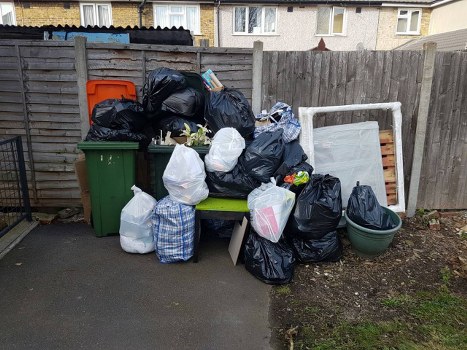
Not every house clearance is a full-property job. Sometimes the real need is to remove one heavy group of items or clear a storage area that has become difficult to use. Furniture clearance often involves beds, wardrobes, sofas, dining sets and tables; loft clearance may involve cartons, seasonal belongings and long-stored household items; garage clearance can include mixed household storage, tools and broken items that no longer serve a purpose. Each type needs its own handling approach.
These smaller or more specific clearances can be useful when a property is still occupied and only one part of the home needs attention. They can also form part of a wider house clearance where certain areas are tackled first. If you are only dealing with a garage or loft, a focused service is often more practical than arranging for the whole property to be emptied. For that reason, we keep the work flexible and adapt it to the actual contents rather than forcing every job into the same pattern.
For homeowners and landlords alike, the benefit is usually practical rather than dramatic: the space becomes easier to use, easier to inspect and easier to pass on. If you are deciding whether the job is best described as furniture removal, loft clearance or house clearance, list the main items and the rooms involved. That gives a better basis for a quotation and helps ensure the right service is arranged from the outset.
Waste removal for mixed household contents
Some house clearances include material that is not simply furniture or storage. Mixed waste can build up in cupboards, understairs spaces, sheds and spare rooms, and it often needs separating before removal. Our waste removal service covers that broader mixed-material side of the work, which can be helpful when a property includes a blend of household waste, bagged items and general clutter alongside larger pieces.
It is important to distinguish between reusable contents and material that has reached the end of its use. That distinction affects how the job is planned and what kind of vehicle space it may require. If a room includes both bulky household items and loose waste, the clearance may be organised in stages so the larger items do not obstruct access to smaller bags or boxes. In practical terms, that means the removal can be more orderly and less disruptive than trying to move everything at once.
Where a household clearance includes general waste, the best preparation is simple: group similar items together where possible, point out anything that must not be removed, and describe any heavy or awkward material honestly. Mixed contents are easier to handle when they are not left to guesswork. That is one reason clear descriptions matter as much as the physical work itself.
Pricing factors and quotation details
House clearance pricing usually depends on the amount of material, the type of items involved and the access required to remove them safely. A room filled with light, loose contents may be different from a room containing several heavy wardrobes or appliances. Properties with stairs, limited parking or awkward carrying routes may also need a more considered plan. That is why a quotation is best based on a proper description rather than a rough label alone.
If you are requesting a quote, it helps to mention which rooms need clearing, whether the property is occupied, and whether you need a full or partial clearance. A few photos can be especially useful where the contents are varied or the job has a lot of loose material. This keeps the discussion focused and avoids unnecessary back-and-forth. You can start by reviewing our contact us page when you are ready to send the details.
There is no need to create a long inventory for every job, but the more accurate the overview, the better the quotation can reflect the actual work. If some items are to remain in the property, say so clearly. If there are items that need particular care, such as delicate furniture or pieces that must be moved through a narrow route, include that too. A good quote is usually built from straightforward facts rather than assumptions.
Recycling, reuse and responsible handling

House clearance is not only about taking things away. It also involves deciding which parts of the contents can be reused, which can be separated for recycling and which need to be disposed of as waste. That practical sorting stage matters because household clearances often include a mixture of materials, from wood and metal to textiles and broken items. Our approach is designed to keep that mixture manageable and to deal with it in a sensible way.
For customers, the useful question is often not simply “what can be removed?â€, but “what should be removed together?â€. In a house clearance, that can include furniture, loose household items, storage contents and general rubbish in one coordinated task. The more clearly those categories are identified at the outset, the easier it is to plan the clearance and choose the right scope. If you want to understand the household side of the service further, our home clearance page gives another useful route into the same core work.
Keeping the work organised also helps with properties that are being prepared for sale, rent or renovation. A tidier emptying process gives a clearer picture of what remains and what needs attention next. Clearance is most efficient when the contents are handled as a group of categories, not a single undifferentiated pile.
About Waltham Forest
Waltham Forest is a London borough in the north-east of the capital, formed in 1965 from the former municipal boroughs of Chingford, Leyton and Walthamstow. It stretches from the edge of the Lea Valley to higher ground around Highams Park and Epping Forest, and it includes a mix of dense residential streets, older village centres and green open spaces. Walthamstow Village preserves a strong historic character with narrow streets and period buildings, while the wider borough also contains modern estates, shopping streets and transport corridors that link local neighbourhoods with central London and Essex. The area’s character is shaped by this contrast between urban growth and older settlement patterns, with the historic parishes and later municipal development both still visible in the street layout. William Morris lived in Walthamstow, and his legacy remains part of the borough’s cultural identity through museums, murals and public references to his work. Walthamstow Wetlands, set within a major reservoir complex, is among the best-known open spaces in the borough and offers a distinctive landscape of water, reed beds and industrial heritage. Epping Forest forms another defining feature, giving the northern parts of the borough a green edge and linking the area to a much older wooded landscape. The borough also has a strong cultural life, with local markets, arts venues and community spaces contributing to a busy civic identity that reflects both long-settled communities and newer arrivals. Together, these features make Waltham Forest a varied place, combining historic streets, notable open space and everyday London residential life in a way that is both practical and distinctive.
House clearance choices for occupied and empty properties
Some clearances happen while people are still living in the property, and others take place once the home has been vacated. The practical difference matters because an occupied property may need more careful room-by-room coordination, while an empty one may allow a fuller sweep through the house. We can work around either situation, with the scale of the job shaped by what remains, what must stay and how much material needs to be removed.
It can also be helpful to think about the end use of the property. A home being prepared for a new occupant may need a tidy, thorough clearance, while a property being adjusted after a bereavement may require a more measured approach to mixed contents. In both cases, the service should be respectful of the space and clear about the work being done. If you already know the kind of clearance you need, use that description when asking for a quotation so the response reflects the actual task.
For jobs where there are still a few uncertainties, it is usually enough to name the rooms, the main items and any limits on access or timing. Then we can look at the practical scope together. That simple exchange is often all that is needed to start the process properly.
Request a quotation for house clearance

If you are arranging house clearance in Waltham Forest, the easiest next step is to send a short description of the property and the items involved. Mention whether the work is a full or partial clearance, list the main rooms, and include any especially large or heavy contents. If you have photos, they can help, but they are not a substitute for clear written details. The aim is to make the quotation accurate and the work practical from the outset.
You can also think ahead about any related tasks that may help define the scope, such as furniture removal, loft clearing or mixed waste removal. Bringing those points together in one enquiry usually makes the discussion simpler and helps avoid unnecessary delay. If you are ready to move ahead, now is a good time to ask for a quotation and outline the property details in plain language. Clear information at the start leads to a clearer response.
For a direct enquiry, use our contact us page and send the details you already have. If you would like to compare the scope with other service information first, you can also review the relevant pages linked above before deciding. When you are ready, we will help you turn the job description into a straightforward clearance plan.